
Rethinking Drone Education: Skill Is Everything
After returning from multiple Career and Technical Education (CTE) and airspace education conferences in addition to spending time in conversation with educators from across the country, I have begun to solidify a notion that runs counter to much of today’s conventional thinking in education.
For more than 22 years, I have worked in aviation, pursuing credentials many students and educators view as end goals: a Private Pilot Certificate, Instrument Rating, Commercial Pilots License, and an FAA Part 107 Commercial Drone License, All in addition to serving as an Aircraft Maintainer and Pilot in the Air Force. Each required time, dedication, and deep study. And each provided valuable knowledge that continues to support my work in the industry.
But with experience comes perspective.
What I’ve learned is this: a certificate only has value if it’s actually used.
The Certification Question
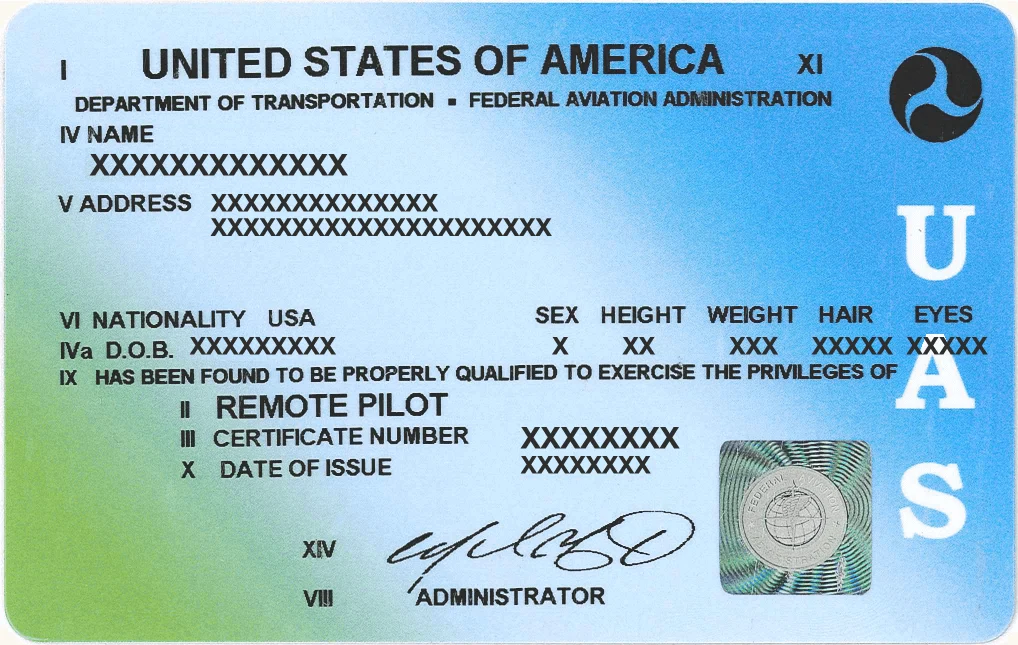
There is no question the Part 107 license matters. It establishes regulatory knowledge and provides a legal foundation for commercial drone operations. The understanding gained through the process is valuable, especially for those who go on to work in aviation or UAS related fields.
However, when we look at education, particularly at students who are still discovering their interests we must ask a harder question:
Will they ever use it?
A majority of students will not become manned or unmanned professional pilots. Aerospace needs Maintainers, Engineers, Sensor Operators, Airfield Managers, Air Traffic Controllers, etc. Earning a Part 107 certification requires a significant time investment and upkeep, especially within a traditional academic calendar. That time often comes at the expense of something else: hands on experience, applied problem solving, or industry specific skill development that could directly serves a student’s community or local industry.
What many educators don’t realize is passing the Part 107 written exam no longer requires a year long course. Through programs like Drone Launch Academy, students and professionals can prepare for and pass the exam in approximately 40 hours of focused study. One work week.
If a motivated learner can pass the written test in about a week, is a full academic year best spent teaching test prep?
What Industry Is Asking For
This question was reinforced for me at the 2023 AUVSI Xponential Drone Conference, where I had the privilege of sitting in a room with educators and industry professionals from across the UAS ecosystem.
The message from industry was clear and sobering:
“Please stop sending us Part 107 certified pilots who don’t understand how to collect the data we need. It is faster to teach an experienced employee drones than teach an industry to a drone operator.”
The Part 107 exam is a paper test. It measures regulatory knowledge, not operational competency. Industry leaders emphasized what they truly need are industry professionals who understand which information matters, how to collect it, and how to maneuver a drone effectively to get it.
Drones, they reminded us, are simply tools; tools to collect information faster, safer, and more affordably than ever before. The value lies not in the drone itself, but in the judgment and skill of the operator.
Where Education Should Invest Its Time
Flight proficiency, situational awareness, data collection, and industry specific workflows take weeks, months, and sometimes years to fully develop. These are the skills that cannot be rushed and the skills employers struggle to find in the market.
When educators are deciding how to invest limited instructional time, the choice becomes clearer:
- Regulatory knowledge can be learned quickly.
- Operational skill and industry understanding cannot.
- You can teach both simultaneously when operating under an instructor's Part 107.
For students still exploring whether aviation or drone operations are right for them, spending time building transferable, applied skills may be far more valuable than chasing a credential they may never use.
A Shift in Perspective
This isn’t an argument against certification. It’s an argument for sequencing and purpose.
Teach students how to fly.
Teach them how to think.
Teach them how to solve problems that matter in their communities.
Then, when they are ready and motivated, the certification will mean something.
In drone education, as in aviation, the certificate should never be the destination.
It should be the tool that supports the journey, not the reason for it.